
Category: Identities
-
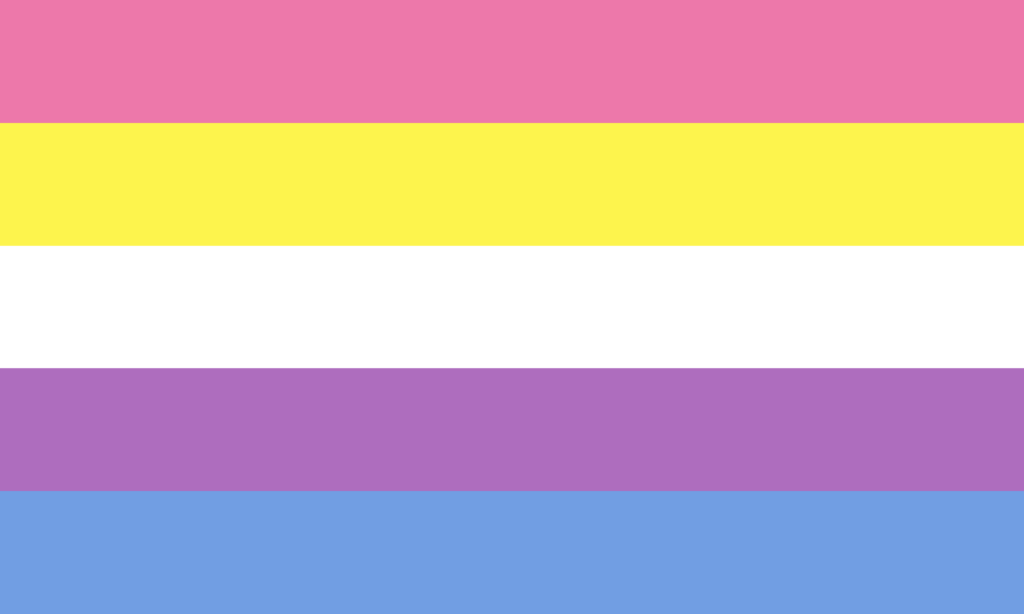
Bigender 101
Bisexuality is a widespread term, one of the most commonly known identities in the LGBTQ community, as it is the “B” in the world-renown acronym. However, a lesser-known “bi” is that of identifying as bigender. This falls under the nonbinary, transgender and multigender umbrella terms, and, according to the Nonbinary Wiki, “have two distinct genders,…
-
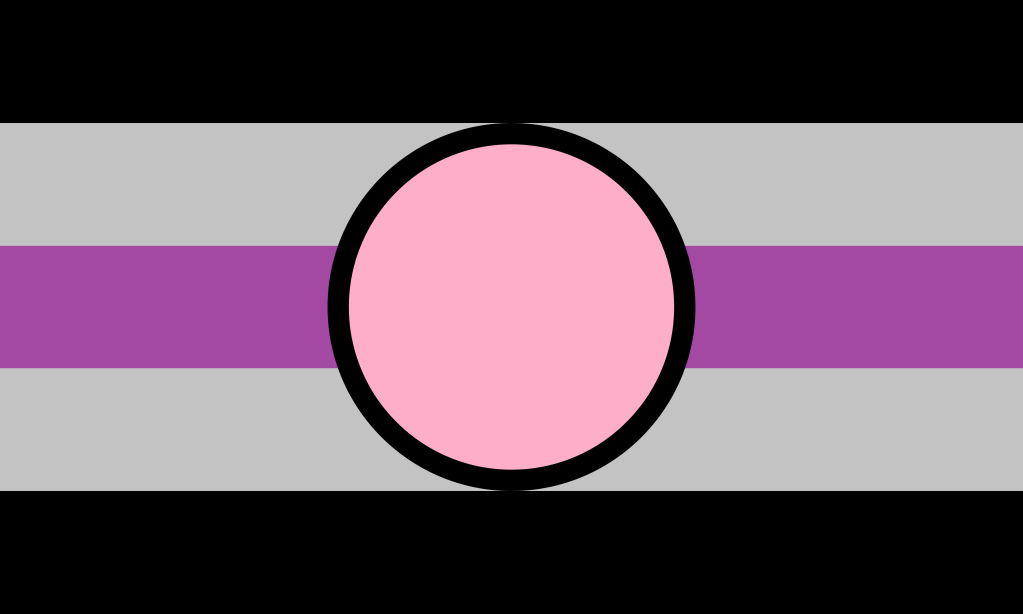
Fictosexuality: Yes, it’s real, valid and part of our community
Fictosexuality is one of the newer occurrences in the LGBTQIA+ community. Though seemingly present as early as the 18th century, its term has not been coined, recognized nor legitimized until recently. Even then, it has sparked debate on whether it belongs within the community. Also known as fictisexual, fictionsexual, fictiosexual or fictionalsexual, ficts or fictos,…
-

Omnisexuality 101: A beginner’s guide
This is one of the sexualities that gets somewhat pushed by the wayside because of its more common counterparts. Omnisexuality is often paired with pansexuality despite its differences. Have a gander at the information compiled below to learn more about this lesser-known orientation. First off, according to Dictionary.com, omnisexuality “refers to someone who is romantically,…
-
Romantic orientation: the basics
Let’s get something straightened out here quick: Romantic orientation is not the same as sexual orientation, some people choose not to identify with a romantic orientation and other times, some folks’ romantic and sexual orientations align. According to our beloved Wikipedia (among other sources: here and here), romantic orientation is characterized as an attraction to…
-
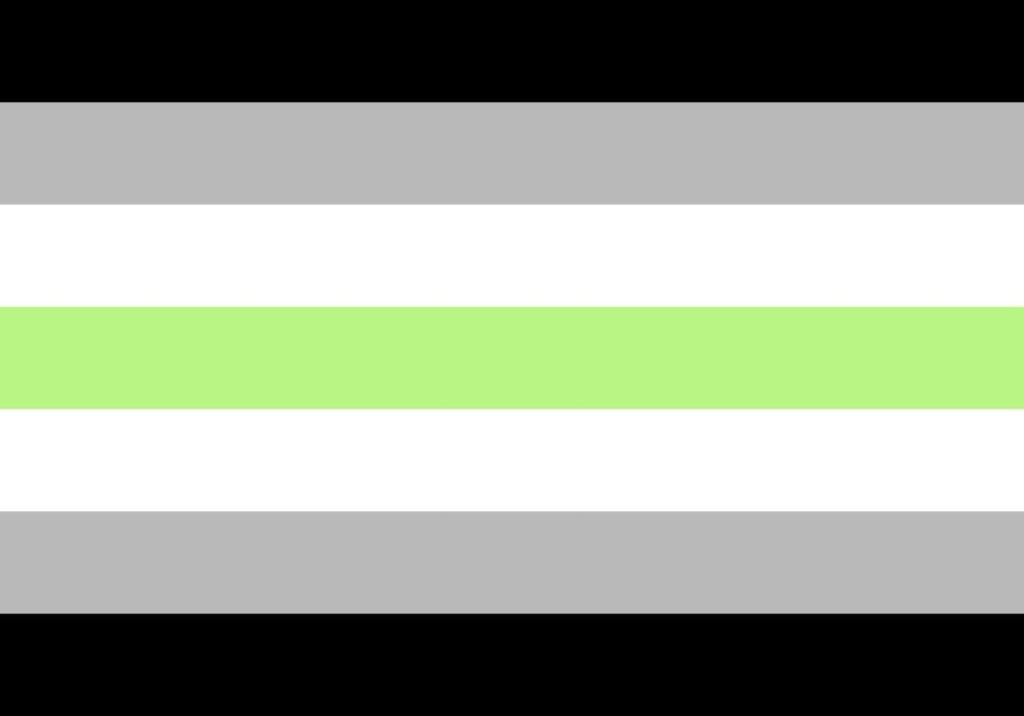
What it means to be agender
For one to understand several kinds of gender identity, one must know its true definition. Mirriam-Webster defines such as “a person’s internal sense of being male, female, some combination of male and female or neither male nor female.” Though there is much more to it, that’s all we’ll define for now. Its history will come…
-
Getting to know “Xe” pronouns
Before getting more in-depth with certain kinds of neopronouns, one must first understand the basis of the term neopronouns. This was new to me as well, being that I knew they existed but didn’t realize they were described as such. From my understanding, neopronouns are pronouns outside of she/her, he/him and they/them – oftentimes used…

