Category: Identities
-
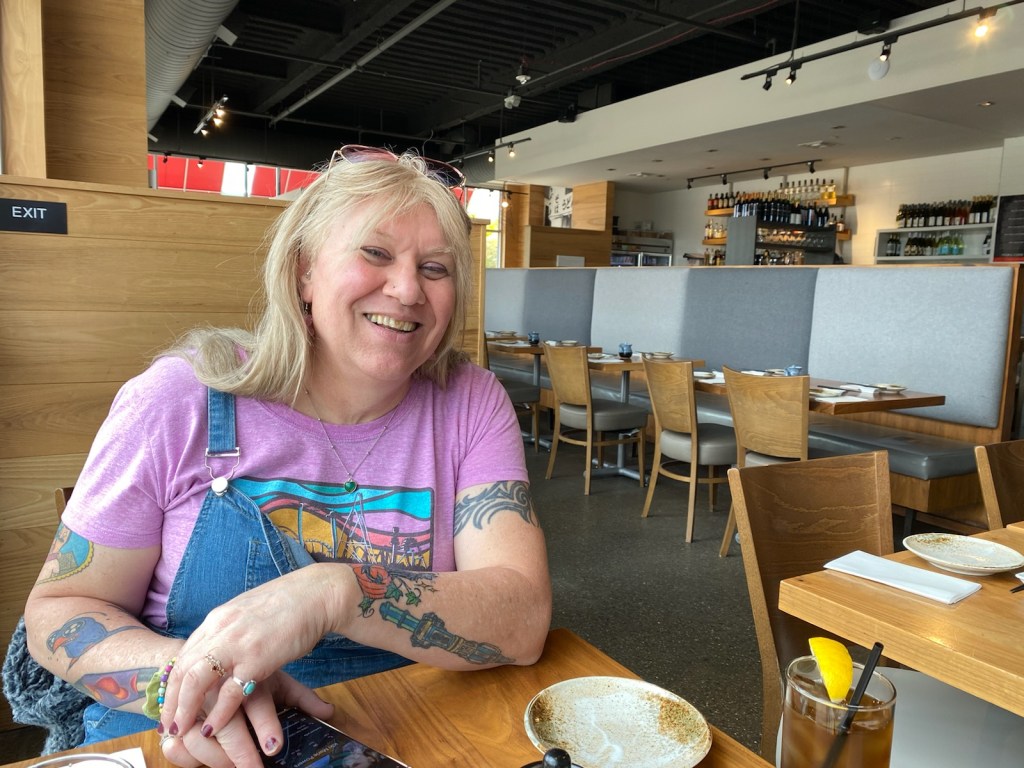
“I spent 20 years denying who I was, living the life I was told I should live, all while slowly destroying myself.”
Pronouns: She/Her/Hers Trish was only 11 years old when she found a lost earring on the street and pocketed it to bring home. Alone in her room, the little boy she once was would hold it up to her ear, looking in the mirror and wishing it was her accessory to wear. Today, as a…
-

Polyamory: Assumptions vs. Reality
Part of Come (Out) as You Are’s loosely coined “identities 101” series. Polyamory, though common in times past, seems to be making a comeback in the modern era as an emerging intimate lifestyle. Let’s backtrack and recount some of its specifics and misunderstandings that have arisen as a result of today’s media. Introduction to polyamoryStemming…
-

Campus Pride’s 2022 “Absolute worst, most unsafe campuses for LGBTQ+ youth”
As we discussed around this time last year, nonprofit Campus Pride updated its worst college list for the 2022-23 school year. This time, 13 were added to its annual listing, totaling 193 unsafe U.S. college campuses for LGBTQ+ students. The list began in 2015 “to bring attention to the colleges and universities that requested Title…
-
Why it doesn’t really matter if you label yourself
The LGBTQ+ community has evolved dramatically over decades and generations, which has ultimately led to bouts of misunderstanding even among those who have identified with the acronym for a long period of time. It’s inherent for us to feel the need to describe ourselves with a specific identity. Our brain resorts to using labels to…
-
“She supported me and helped me. I love her.”
Pronouns: He/Him/His Ander’s family doesn’t support him. They misgender him all the time but his friends step up as solace. He was about 6 years old when he started questioning his identity but didn’t look into it more until he was 12. Last year, Ander came out to his best friend over the chat app…
-
“I knew I was gay when I was 5 years old.”
Submitted by Darren Stehle For as long as I can remember, I’ve always known, but for the longest time it wasn’t a feeling of pride. Until I was 19 (in 1984), and for almost 15 years, I felt a combination of fear, guilt, shame, unrequited desire, silence, isolation, and otherness. I was five years old…
-
Trauma & Asexuality: Does sexual abuse make you asexual?
By Tas Kronby, TasThoughts LLC *TRIGGER WARNING in this brief: content about sexual abuse* No. Abuse can cause confusion but it is not a direct cause of being ace or any other sexual orientation. Definitions of sexuality Let us first start off by defining ace. The term ace is used to describe someone on the asexuality spectrum. asexuality…
-
MOGAI FYI: An introduction to identities outside LGBTQ+
Editor’s note: The following article is purely informational and does not necessarily reflect the views or opinions of the folks at Come (Out) as You Are. MOGAI may be among the most controversial things the LGBTQ+ community has been facing for years (among other things, of course). However, do we have a true understanding of…
-
Love knows no physicality: Demisexuality and Sapiosexuality
Love isn’t defined solely by physical attraction. Let’s learn something new today. As stated by our favorite “at-home doctor,” WebMD, demisexuality is defined as “people who only feel sexually attracted to someone when they have an emotional bond with the person. They can be gay, straight, bisexual or pansexual, and may have any gender identity.…
-
Queer and female trailblazers who changed the course of history
Happy women’s history month from us here at Come (Out) as You Are! Let’s get right into things and take a trip down memory lane – as we should per the occasion – and take a look at some notable figures throughout our nation’s and world’s history.
-
Aroace 101: Asexual and Aromantic identities explained
As last week was Aromantic Spectrum Awareness Week, let’s dive a bit more into the “A” spectrum in LGBTQIA. First of which we have aromantic, which we learned was “a romantic orientation, which describes people whose experience of romance is disconnected from normative societal expectations, often due to experiencing little to no romantic attraction, or…
-

Happy Aromantic Spectrum Awareness Week from Come (Out) as You Are!
Celebrate aromantic experiences and identities throughout the week and try to teach yourself something new about the spectrum each day. Being on the aromantic spectrum is identified as “a romantic orientation, which describes people whose experience of romance is disconnected from normative societal expectations, often due to experiencing little to no romantic attraction, or sometimes…
-
qFLIX film festival encourages empowerment, sharing stories
Philadelphia-based LGBTQ+ activist James Duggan took on a challenge in 2014 – a new venture in something he had never taken on before: nonprofits. At this time, the organizers of the nonprofit Philadelphia Cinema Alliance, who for 19 years produced Philadelphia’s LGBGTQ+ film festival known as The Philadelphia Gay & Lesbian International Film Festival, and…
-
Abrosexual 101
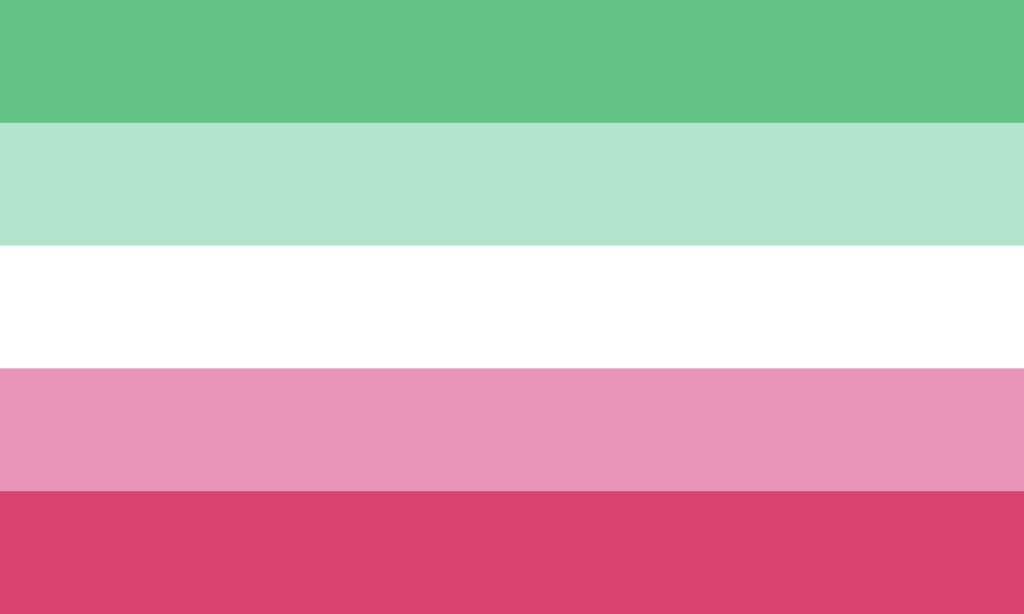
You know it’s real when WebMD joins the discussion. More specifically, WebMD says abrosexuality is “having different sexual or romantic attractions throughout your life,” may also have changes in their identity over time, and different intensities of attraction. “For example, a person who is abrosexual might be sexually attracted to men at one point, then…
-
An exploration of intersections: Neurodivergence and being LGBTQIA
An explanation of why neurodivergencies are common among the LGBTQIA population Diversity is a multifaceted reality that includes many marginalized communities. Common diversity includes the BIPOC, LGBTQIA and disability communities. There are intersections between all the aforementioned groups, but recently the focus has been on LGBTQIA intersectionality with neurodivergent individuals. Intersectionality is an approach in…
-
Ze/Zim 101: Part of a neopronouns guide
Zie/Zim/Zir/Zirs/Zirself Welcome back — it’s been quite some time since we’ve explored some neopronouns here, and it’s a great time to do it as we’ve just passed international pronouns day on Oct. 20 (or the third Wednesday of October). Since it’s been so long, let’s revisit what neopronouns are. They are, essentially, pronouns outside of…
-
How to ask for someone’s pronouns in the best, most polite possible way
In light of international pronouns day, it seemed only appropriate to address a growing expectation: asking one’s pronouns. Though it sounds rather comical to address something so easy for the LGBTQ community, it may not come as such to others. The Chicago Tribune words it pretty well: “We need to change the narrative that asking…
-
A big day is coming up for us
As many of us in the LGBTQ+ community know, October 11 is an important day. It’s recognized as National Coming Out Day (NCOD), which is something paramount and harmonious to what we do here at Come (Out) as You Are. As we wouldn’t be here if there weren’t coming out stories, we have decided to…
-
What’s going on with crossdressing?
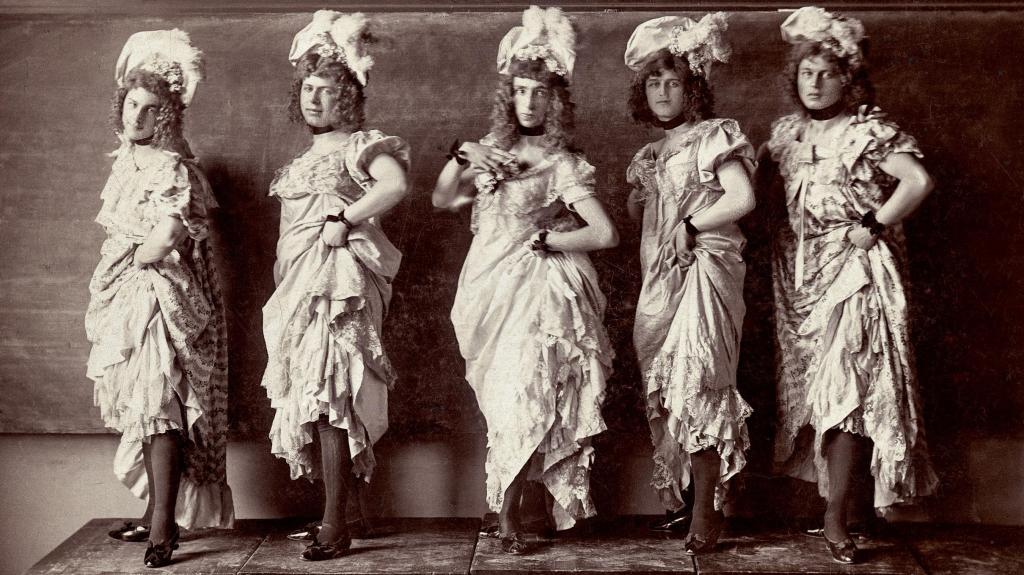
We all know about how back in the olden days men used to wear tights and heels and the colors of the binary genders switched in the 1900s from pink for boys to blue and vice versa. Gender stereotypes have been steadfast one way for generations: men and women conform to masculine and feminine looks. …
-
Hot take: Normalize putting your pronouns in email signatures
As a budding professional, it’s come to my mind several times before if I should tag my pronouns at the end of my already-lengthy email signature. As the number of LGBTQ+ folks are on the rise, it wouldn’t surprise me if doing this will become more commonplace. According to BottomLine.org, “gender is not always that…

