Category: History
-
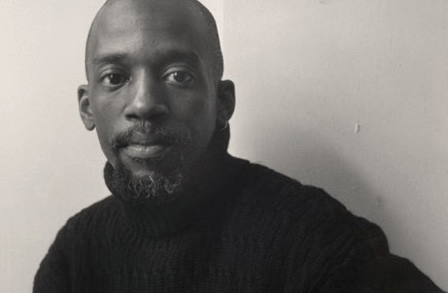
“Lyrical, charismatic and fiercely political”: Legend of poet Essex Hemphill remains relevant
Let’s take a look back at one of the most iconic Black LGBTQ folks out there ahead of this year’s recognition of LGBTQ History Month (October). His name is Essex Hemphill. While born in Chicago in 1957, Hemphill grew up in the southeast region of Washington, D.C. as the oldest of Mantalene and Warren Hemphill’s…
-
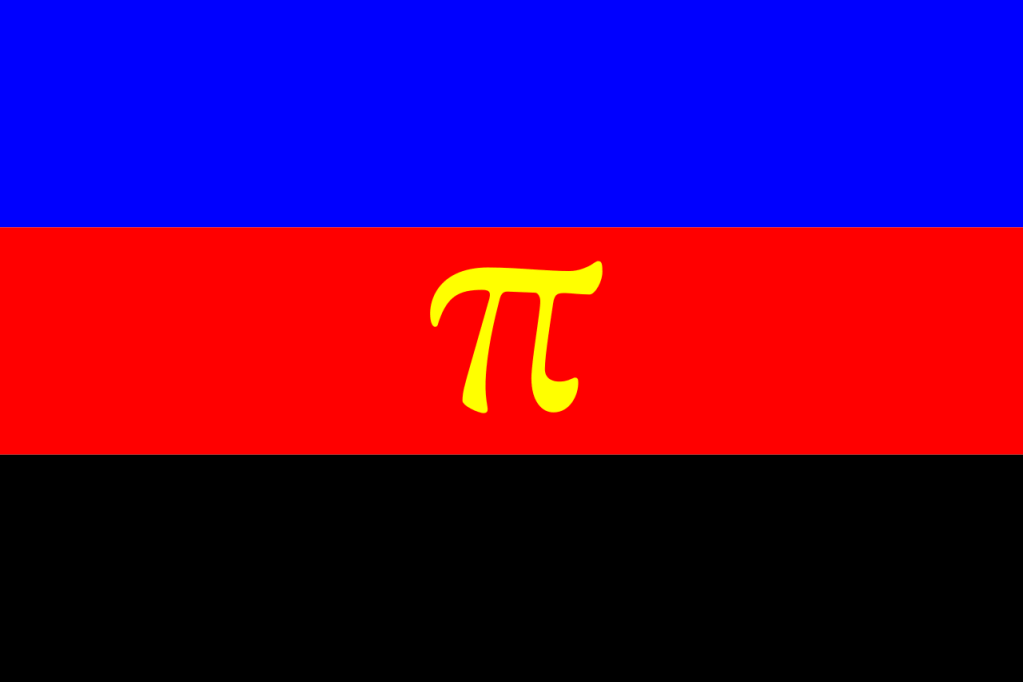
Polyamory: Assumptions vs. Reality
Part of Come (Out) as You Are’s loosely coined “identities 101” series. Polyamory, though common in times past, seems to be making a comeback in the modern era as an emerging intimate lifestyle. Let’s backtrack and recount some of its specifics and misunderstandings that have arisen as a result of today’s media. Introduction to polyamoryStemming…
-
Post Roe and what’s coming for the LGBTQ community
“At the core of each movement is the belief that our most personal decisions should be free from political interference,” Jessica Gonzalez-Rojas said in 2015. How the times have changed. As a majority of us know by now, in the U.S. and beyond, the trademark case that protects the inherent right of abortion to anyone…
-

A brief history of drag kings and queens
International Drag Day is this Saturday, July 16, and we’re celebrating by taking a trip down memory lane. The act of males dressing and performing in female attire dates back to Ancient Greece, in burlesque (circa 1600s) and during Shakespearian times. “There’s always been someone crossdressing for work,” said Frank DeCaro, author of Drag: Combing…
-

Happy Aromantic Spectrum Awareness Week from Come (Out) as You Are!
Celebrate aromantic experiences and identities throughout the week and try to teach yourself something new about the spectrum each day. Being on the aromantic spectrum is identified as “a romantic orientation, which describes people whose experience of romance is disconnected from normative societal expectations, often due to experiencing little to no romantic attraction, or sometimes…
-
Exploring the roots and importance of National Black HIV/AIDS Awareness Day
Though World AIDS Day is in December, another national recognition arose in 1999 to show support for Black folks who have to work their lives around HIV/AIDS. According to HIV.gov, National Black HIV/AIDS Awareness Day (NBHAAD) “ is an opportunity to increase HIV education, testing, community involvement and treatment among Black communities. The first National…
-
Happy New Year from Come (Out) as You Are!
We wish you all a beautiful and prosperous 2022, and to hopefully stop pondering 2020 still. Here are some notable dates for LGBTQ folks this year: Dates courtesy of this site, this one and this one. Calendar art courtesy of @gardeniaresilia on Twitter.
-
National Coming Out Day: A comprehensive history
Coming out isn’t new to the LGBTQ community; in fact, it’s widely known as what we do when we’re ready to be our true selves publicly. Let’s take a trip down memory lane and explore the origins of National Coming Out Day (NCOD) and, overall, coming out. Outing is the “deliberate or accidental disclosure of…
· History -
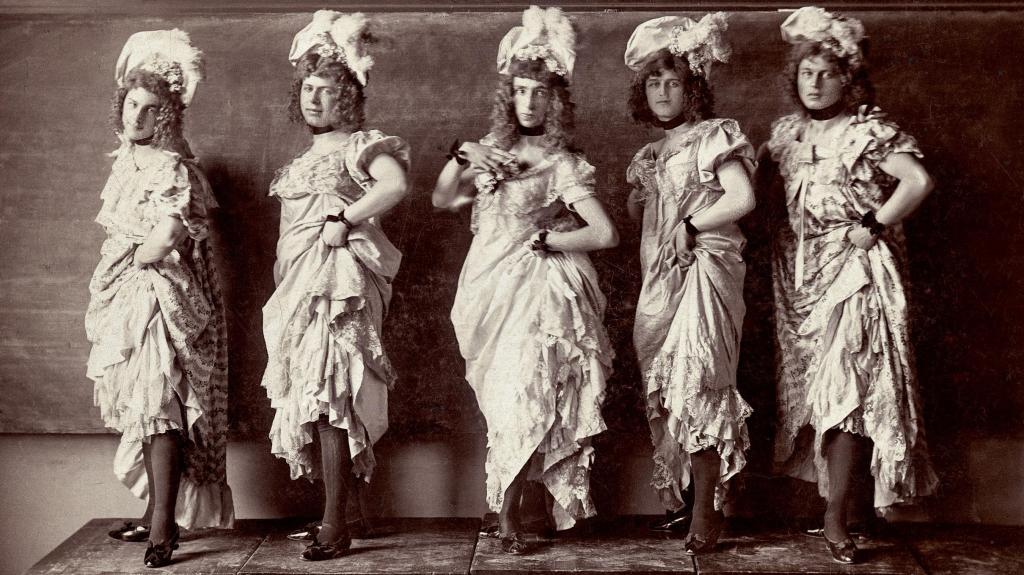
What’s going on with crossdressing?
We all know about how back in the olden days men used to wear tights and heels and the colors of the binary genders switched in the 1900s from pink for boys to blue and vice versa. Gender stereotypes have been steadfast one way for generations: men and women conform to masculine and feminine looks. …
-

Fictosexuality: Yes, it’s real, valid and part of our community
Fictosexuality is one of the newer occurrences in the LGBTQIA+ community. Though seemingly present as early as the 18th century, its term has not been coined, recognized nor legitimized until recently. Even then, it has sparked debate on whether it belongs within the community. Also known as fictisexual, fictionsexual, fictiosexual or fictionalsexual, ficts or fictos,…
-

Omnisexuality 101: A beginner’s guide
This is one of the sexualities that gets somewhat pushed by the wayside because of its more common counterparts. Omnisexuality is often paired with pansexuality despite its differences. Have a gander at the information compiled below to learn more about this lesser-known orientation. First off, according to Dictionary.com, omnisexuality “refers to someone who is romantically,…
-
Website aims to remember gay bars’ legacies
Gay bars have been a part of LGBTQ+ culture for as long as we can remember, providing a haven, getaway and as respite for those who were looking to be themselves among others similar. One man has begun an initiative to remember gay bars past and present that have left a mark on the LGBTQ…
-
Romantic orientation: the basics
Let’s get something straightened out here quick: Romantic orientation is not the same as sexual orientation, some people choose not to identify with a romantic orientation and other times, some folks’ romantic and sexual orientations align. According to our beloved Wikipedia (among other sources: here and here), romantic orientation is characterized as an attraction to…
-

What it means to be agender
For one to understand several kinds of gender identity, one must know its true definition. Mirriam-Webster defines such as “a person’s internal sense of being male, female, some combination of male and female or neither male nor female.” Though there is much more to it, that’s all we’ll define for now. Its history will come…
-

Getting to know “Xe” pronouns
Before getting more in-depth with certain kinds of neopronouns, one must first understand the basis of the term neopronouns. This was new to me as well, being that I knew they existed but didn’t realize they were described as such. From my understanding, neopronouns are pronouns outside of she/her, he/him and they/them – oftentimes used…
-
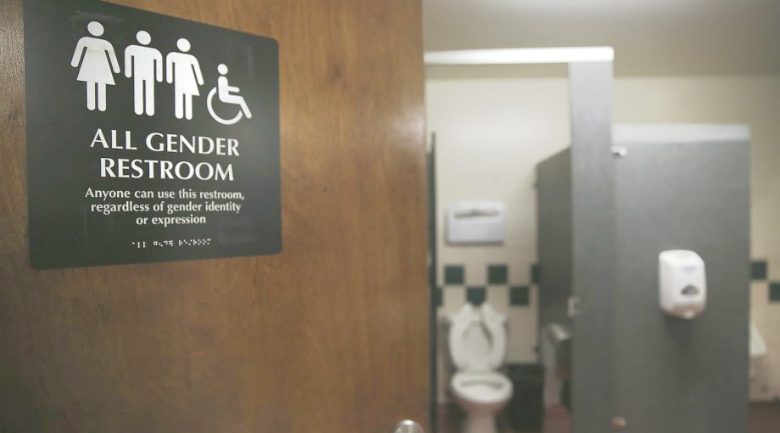
What’s so controversial about trans- and nonbinary-friendly bathrooms?
TW: This article contains brief discussion of sexual assault. Bathrooms as we know it have always been gender-segregated: men in one restroom, and women in the other. But what about trans and nonbinary folks who aren’t sure about which to use? What about those who identify one way but can’t express themselves as such? The…